The geological context of Fort Worth presents significant challenges for foundation engineering, primarily due to the prevalence of highly expansive clay soils derived from the Eagle Ford and Taylor formations. These clayey substrates undergo substantial volumetric changes with moisture fluctuations, exerting considerable uplift pressures on structures. Additionally, the region’s variable bedrock depth, ranging from shallow limestone to deeper shale, necessitates thorough subsurface investigation. The local water table, often perched or artesian, further complicates foundation design by introducing hydrostatic pressures that can affect bearing capacity and long-term stability. Engineers must account for these factors to mitigate differential settlement, heave, and structural distress. Understanding the complex interaction between soil behavior and climatic cycles—including prolonged droughts and intense rainfall events—is essential for predicting foundation performance. This technical context demands robust analytical approaches, including soil suction testing and consolidation analysis, to characterize the expansive potential and ensure resilient foundation solutions that align with the region’s unique geotechnical profile.
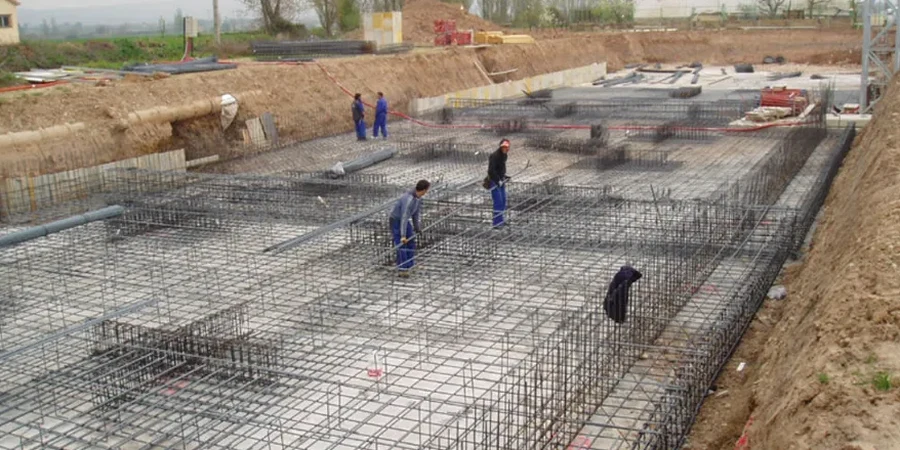
Given Fort Worth’s challenging soil conditions, foundation methods emphasize rigid deep systems and stiffened slab-on-grade designs. Drilled pier foundations, typically extending to competent limestone or marl layers, are widely employed for heavy commercial structures, with bell-bottom or underreamed piers enhancing end-bearing capacity. For residential applications, reinforced concrete slabs with thicker edges and deepened stiffener beams (post-tensioned or conventionally reinforced) are standard to resist swelling pressures. Soil stabilization techniques, such as lime or cement injection, may be implemented prior to construction to reduce expansiveness. Engineers also utilize moisture management systems, including subsurface drainage and gutters, to minimize water infiltration around foundations. Computerized finite element modeling aids in simulating soil-structure interaction, while on-site monitoring via inclinometers and pressure cells verifies performance during and after construction. These methods, coupled with rigorous compaction testing of backfill, aim to achieve uniform support and mitigate risks of heave or settlement, tailored specifically to Fort Worth’s diverse geotechnical strata.
Local building standards in Fort Worth are governed by the International Building Code (IBC) as adopted by the City, with common amendments addressing regional soil hazards. The Texas Department of Insurance (TDI) mandates specific foundation performance requirements for residential structures under the Texas Windstorm and Hail Insurance Program, though Fort Worth lies inland. The City requires comprehensive geotechnical investigations per ASTM methodologies, including borings to depths of at least 15 feet or to refusal on bedrock, along with Atterberg limits, swell-consolidation tests, and sulfate resistance assessments. The Fort Worth Development Code references the Uniform Plumbing Code and local stormwater management ordinances influencing foundation drainage. Engineers must also adhere to the Texas Board of Professional Engineers’ rules for structural design reports. The widely adopted Post-Tensioning Institute (PTI) design manual provides guidelines for slab-on-grade foundations in expansive soils, while the Texas Section of the American Society of Civil Engineers publishes supplementary recommendations. Strict permitting ensures compliance with these local standards, particularly concerning soil remediation and pier embedment depths.
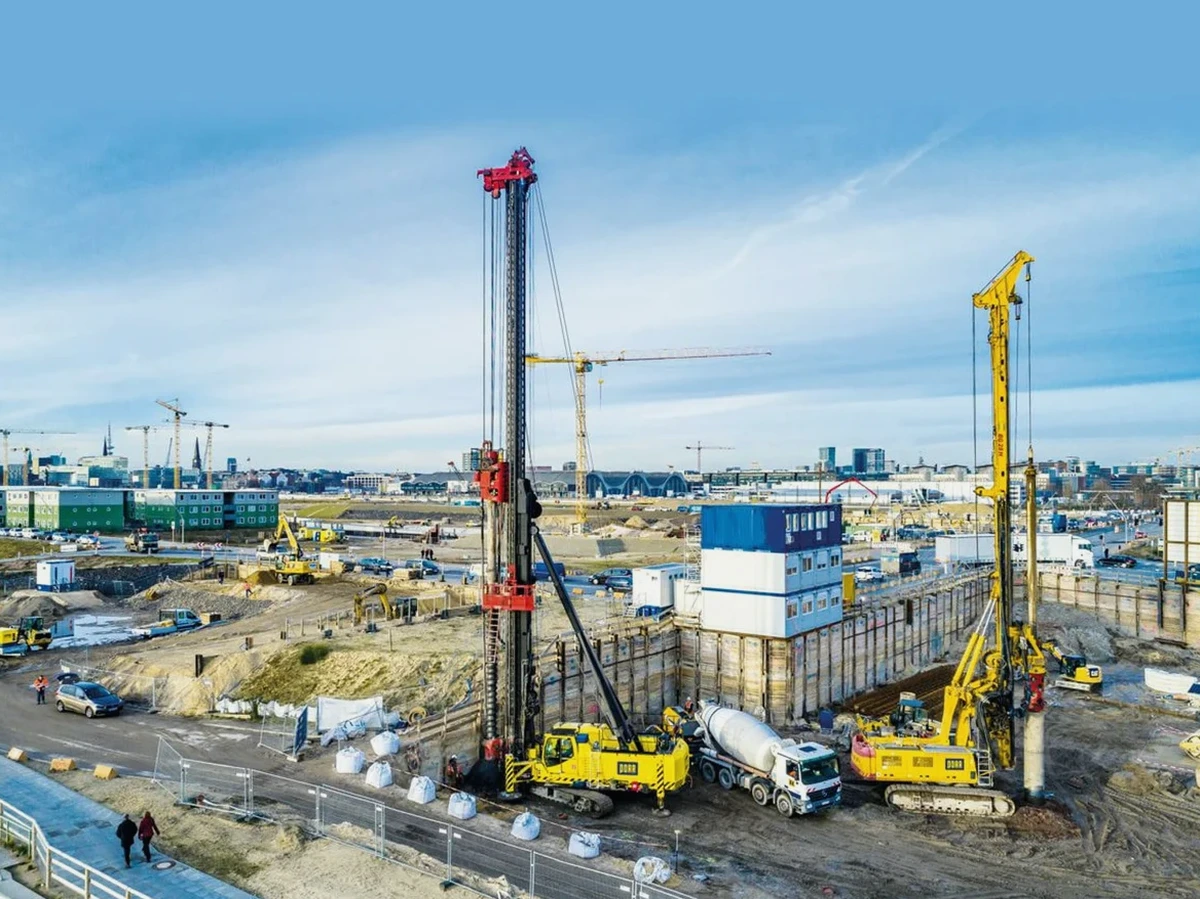
Applications of specialized foundations in Fort Worth span from single-family homes to multi-story commercial complexes and infrastructure projects. Residential subdivisions frequently employ post-tensioned slabs with moisture barriers to counteract clay heave, while custom homes on unstable slopes may require helical piers or micropiles. Commercial developments, such as the growing number of warehouses and retail centers along the Interstate 35 corridor, often utilize deep drilled shafts socketed into limestone to support heavy column loads. Educational and healthcare facilities, like those in the Trinity River watershed, need foundations that resist both expansive forces and potential flood loads. Infrastructure projects, including bridge abutments for new highway interchanges, rely on driven piles or auger-cast piles to penetrate through alluvial deposits to competent strata. Renovation of historic structures in the downtown district demands underpinning techniques using mini-piles to preserve architectural integrity. Each application requires site-specific calibration of foundation design to Fort Worth’s unique geotechnical variability, ensuring long-term structural durability, occupant safety, and compliance with both performance objectives and regulatory standards.
Available services
This service complements our laboratory testing work for a complete project analysis.